
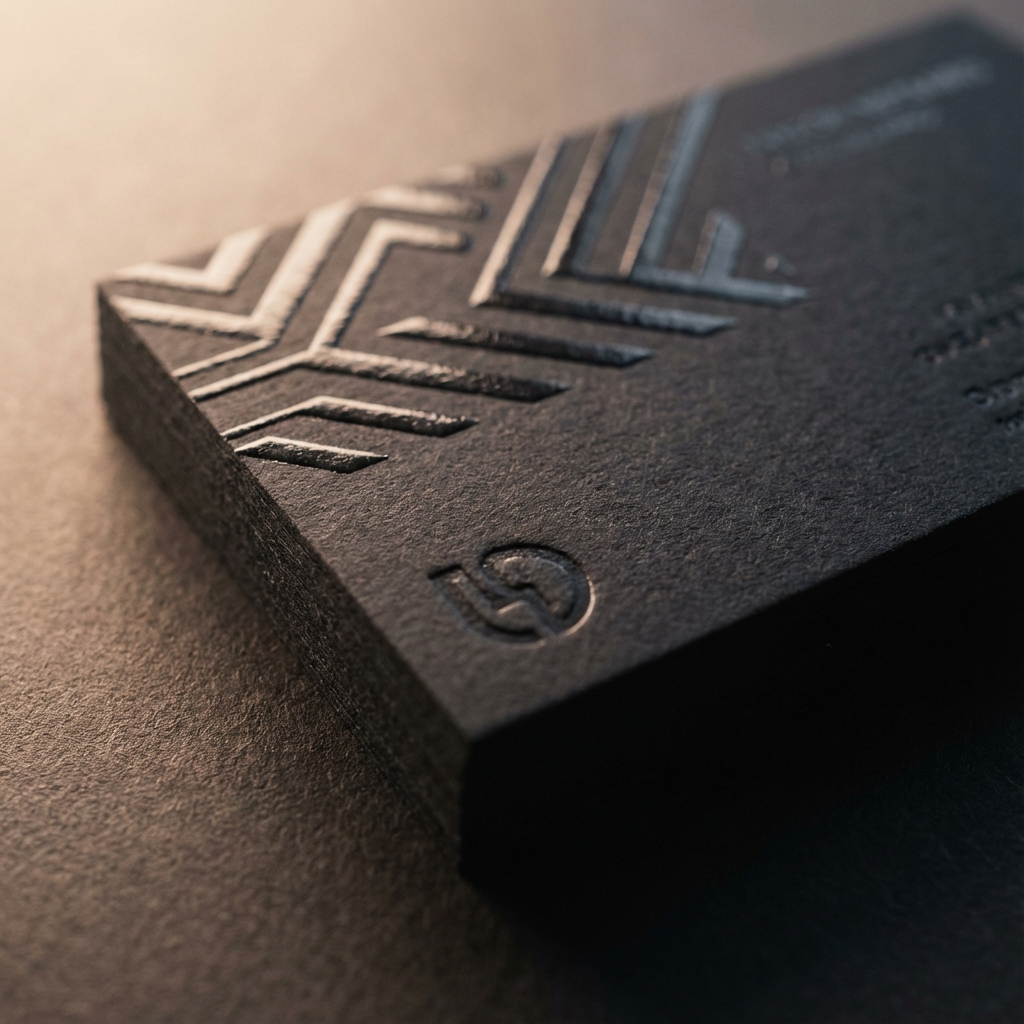
Print two business cards. First: regular coated paper, 4+4 colors. Second: the same graphic, but with soft-touch foil. Give both to a person at an event. Which one will stay on the desk, and which will end up in the drawer? You already know. Enhancement is not a whim – it's the psychology of material. People remember things they can touch. And if your business card has a velvet texture, the client's brain will register it as "premium". Here is a guide to the most popular print finishing techniques – without industry jargon.
What is print enhancement?
This is any process that occurs after printing to give the material an additional visual or tactile effect. Offset or digital printing is just the base. Enhancement is the "makeup" – it gives character.
The most popular techniques:
- Foil (lamination) – covering the entire surface with a thin layer of plastic
- UV varnish (selective or full-surface) – applying a glossy or matte layer
- Soft-touch – special foil providing a velvet finish
- Gold/silver foil (hot stamping) – metallic accents
- Embossing/debossing – raised/sunken elements
Today we will focus on foils and varnishes – the most popular and most often confused by customers.
1. Matte Foil (Matt Lamination)
What is it?
A thin layer of plastic (usually 12-25 microns thick) hot-glued to printed paper. The surface is smooth but without gloss – slightly muted, elegant.
Visual and tactile effect
- Colors appear deeper (matte absorbs light, so the graphic looks "richer")
- No fingerprints (unlike glossy foil)
- Elegant, subdued aesthetic
- Colors are slightly darker (because matte "absorbs" light)
When to choose?
- Minimalist, elegant brand (architecture, law, finance, wedding photography)
- Materials frequently used (brochures, catalogs) – matte foil protects against scratches
- Projects with a lot of text (matte does not reflect light, so reading is more comfortable)
Cost
Low surcharge – matte foil is standard. Usually adds +10-20% to the printing cost.
Case Study: A law firm ordered company folders with matte foil. Smooth, elegant, but do not slip in a stack (a problem that glossy foil has). The folders stack stably, no "slide" effect on the desk. A detail, but clients appreciated it.
2. Glossy Foil (Gloss Lamination)
What is it?
The same technology as matte, but the foil has a mirror-like surface. It reflects light like a lacquered car.
Visual and tactile effect
- Colors "explode" – they are more intense, more vibrant
- WOW effect at first glance (reflects light, attracts attention)
- Perfect for graphics with a lot of colors, photos
- Visible fingerprints (a nightmare for perfectionists)
- Harder to read under light (reflections)
When to choose?
- Product catalogs (you want the photos to "pop" off the page)
- Beauty, culinary, Horeca, fashion industry (where aesthetics = everything)
- Advertising flyers (you need to catch the eye in a split second)
- Magazine covers
Cost
Identical to matte: +10-20%.
3. Soft-Touch (Velvet Foil)
What is it?
This is the star of enhancements. Soft-touch foil has a special rubber coating, giving the surface a texture of... velvet. Matte, but soft. Touching it triggers a subconscious reflex: "This is expensive".
Visual and tactile effect
- The most premium feel of all foils
- Warm to the touch (unlike the "cold" plastic of regular foil)
- Deep black (black background in soft-touch looks like matte velvet)
- No fingerprints
- More expensive than regular foil (more on that in a moment)
- May "wear out" slightly with intensive use (finish loses softness over the years)
When to choose?
- Premium brands – when you want the client to "feel luxury" (perfumes, jewelry, high-end tech)
- Business cards for CEOs, directors (subconscious signal: "This person does not skimp")
- Premium product packaging
Cost
Higher than standard. Usually +30-50% to the printing price, but the effect is worth it for business cards and covers.
4. Spot UV Varnish
What is it?
This is applying glossy varnish only to selected elements of the design (e.g., logo, name), while the rest remains matte. This creates an amazing contrast.
- Looks best on a dark, matte background (e.g., Soft-Touch)
- Can be flat or raised (3D)
- Draws attention to a specific detail
Need help choosing?
Not sure what will work best for your project? Contact us. We will help you choose the perfect enhancement.
Request a quote